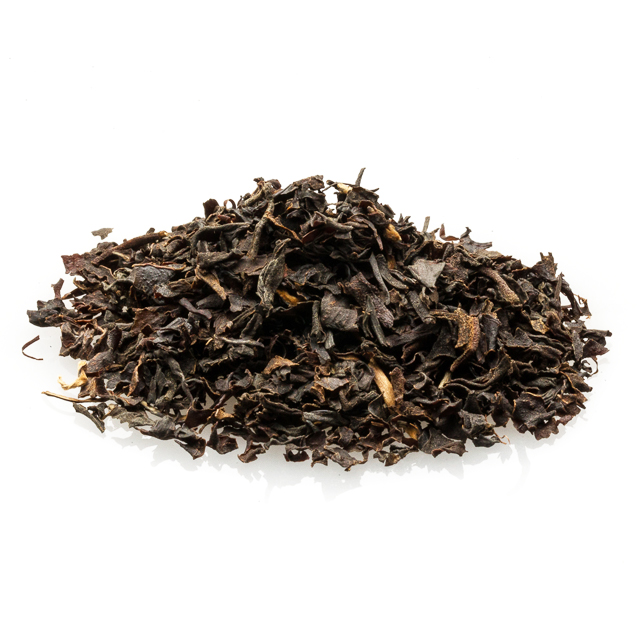
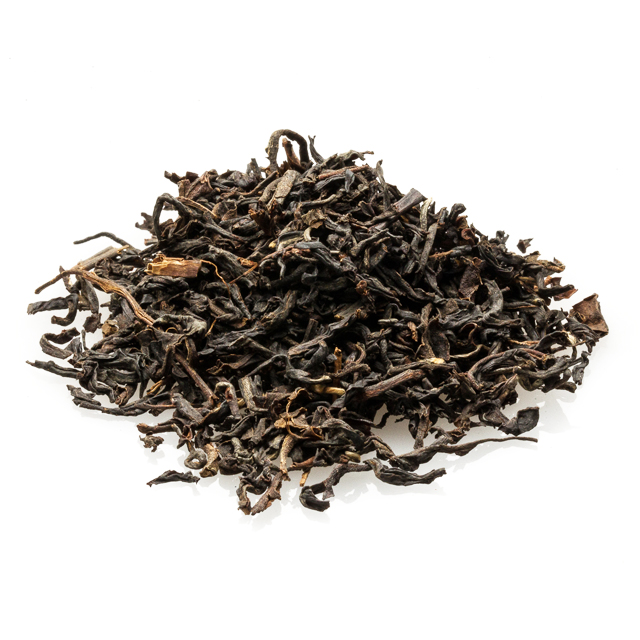
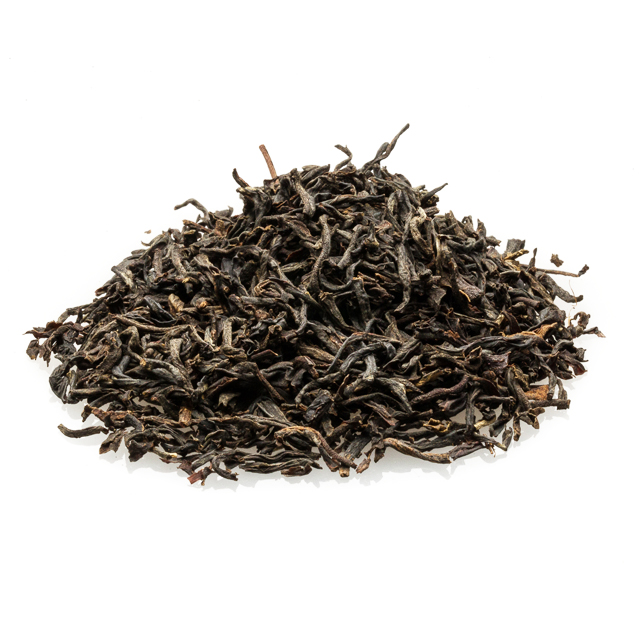
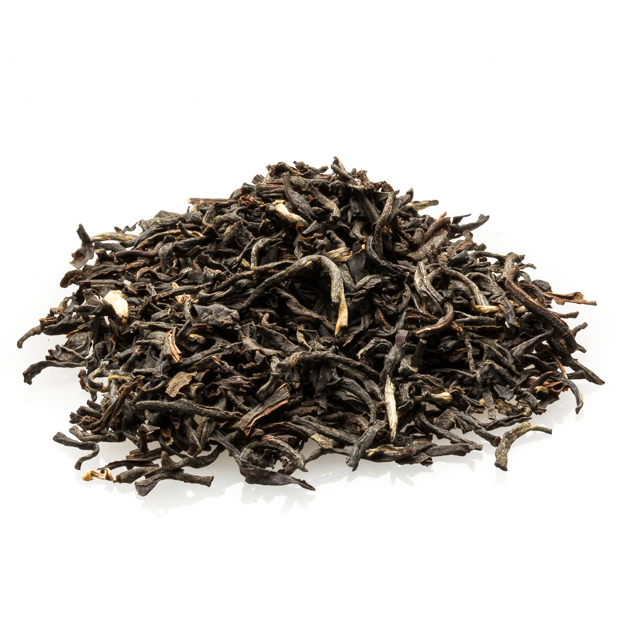
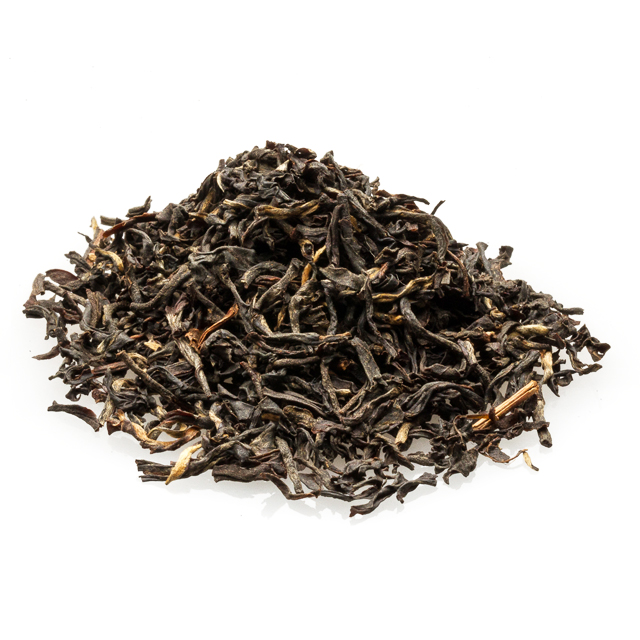
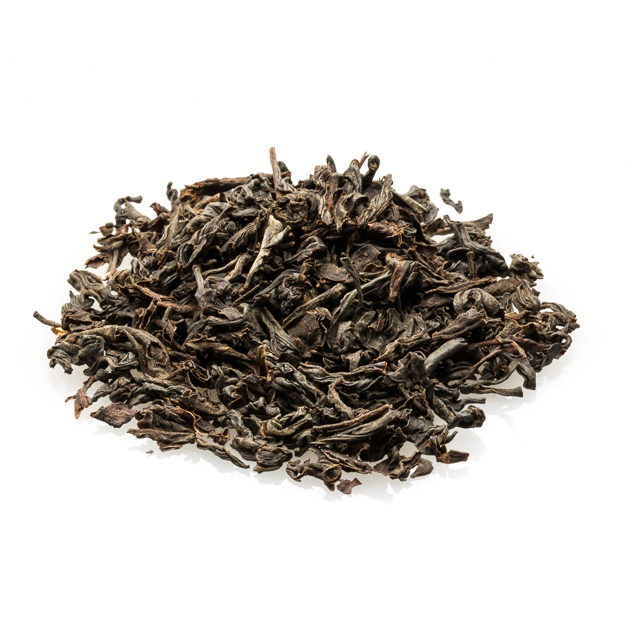
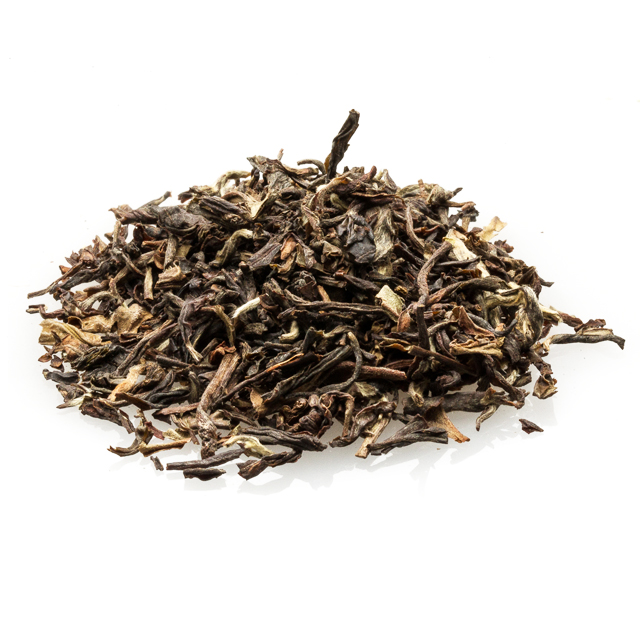
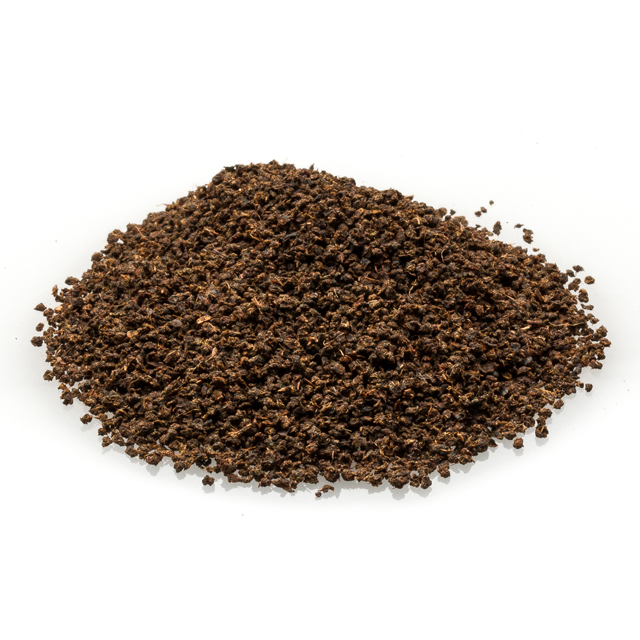
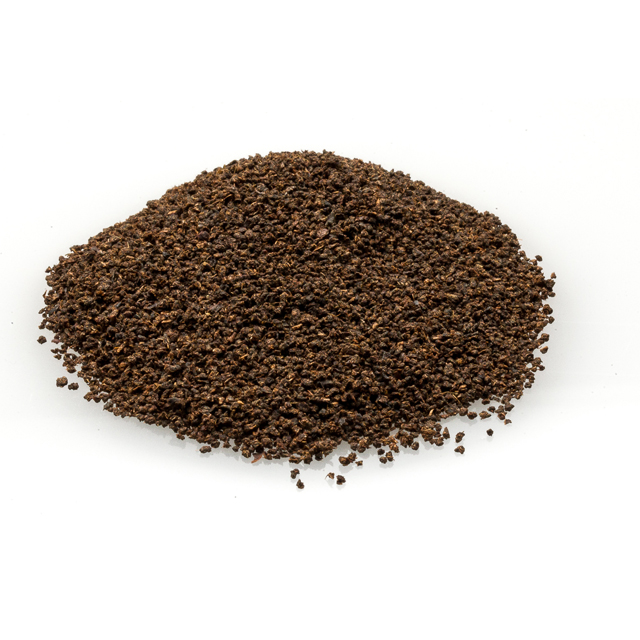
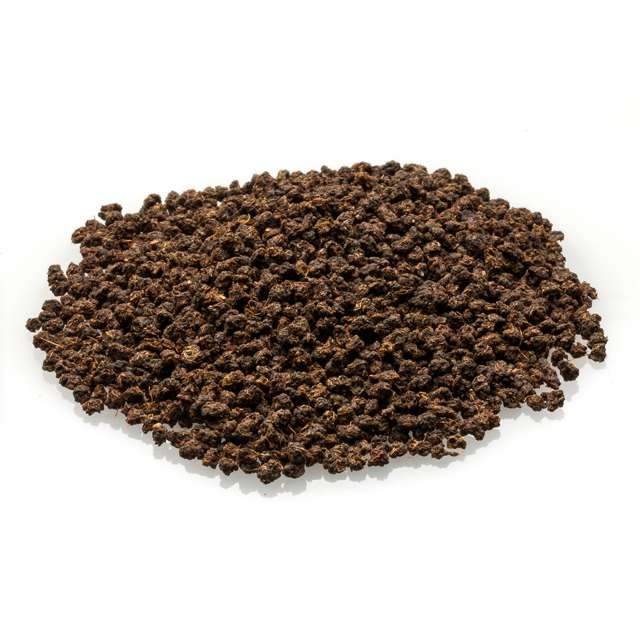
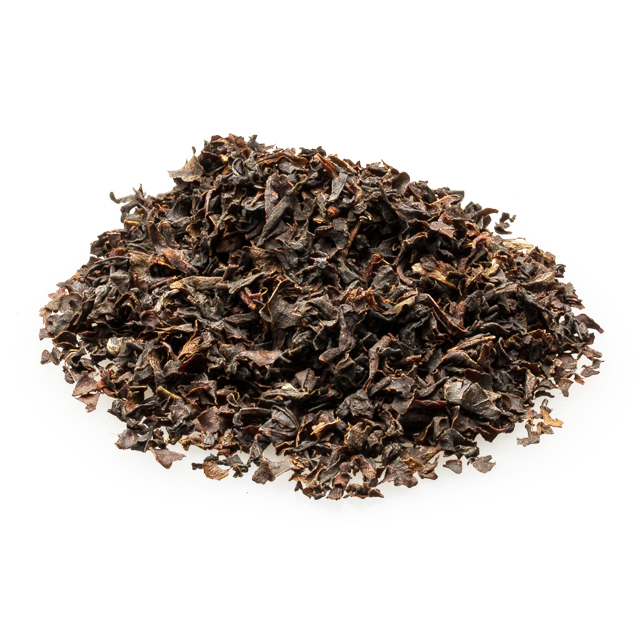
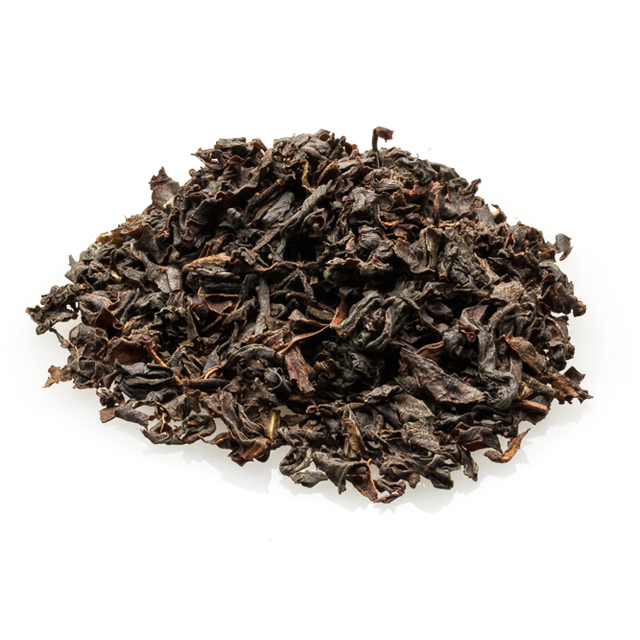
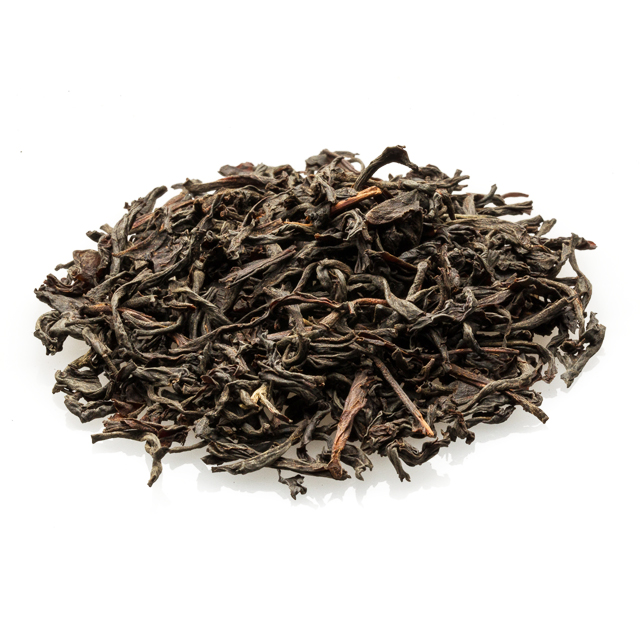
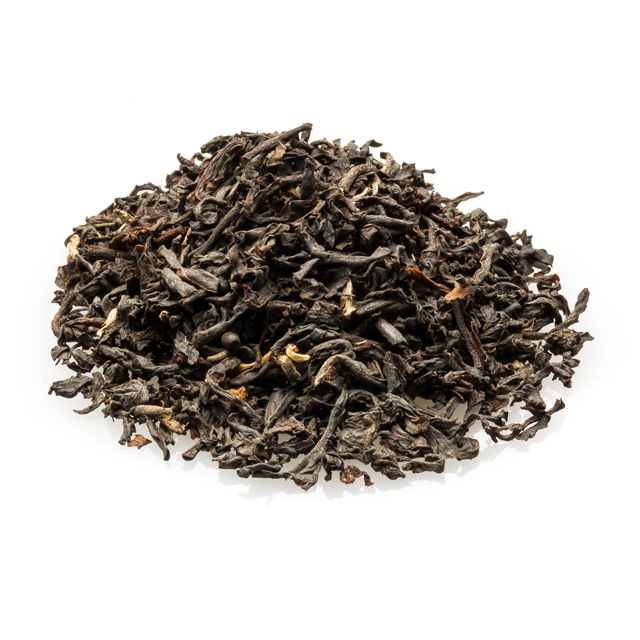
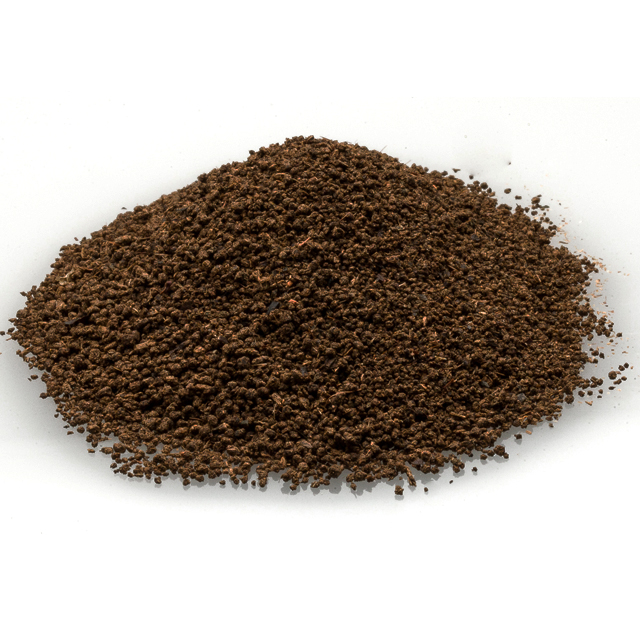
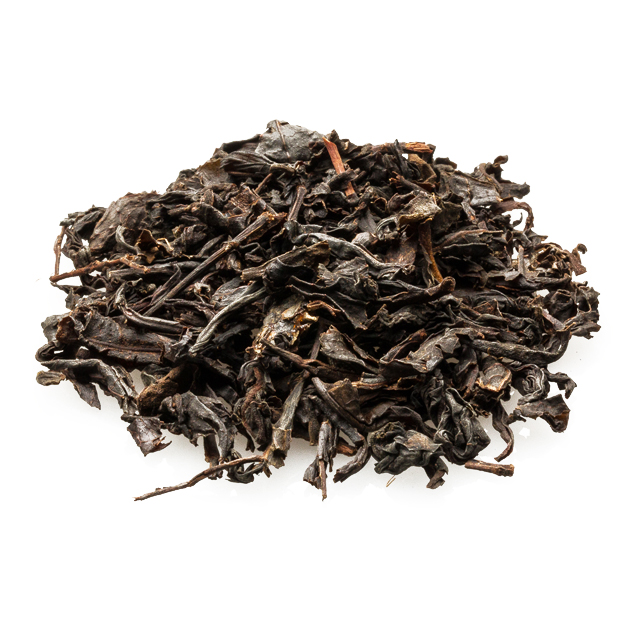
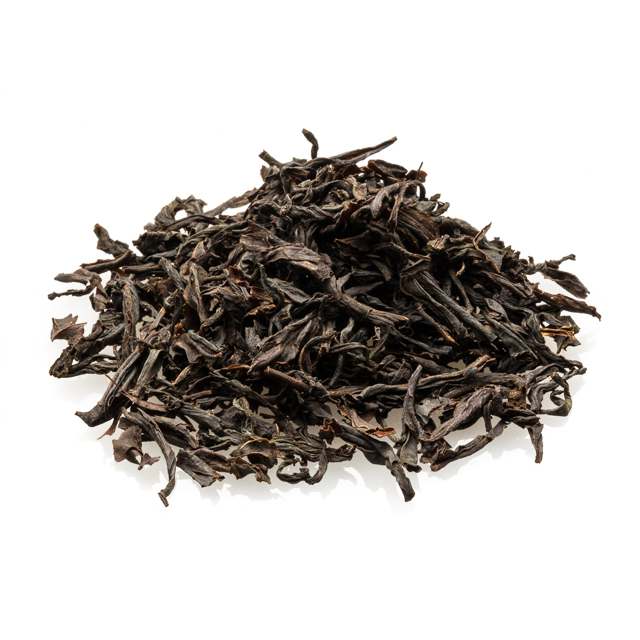
Tea raw materials
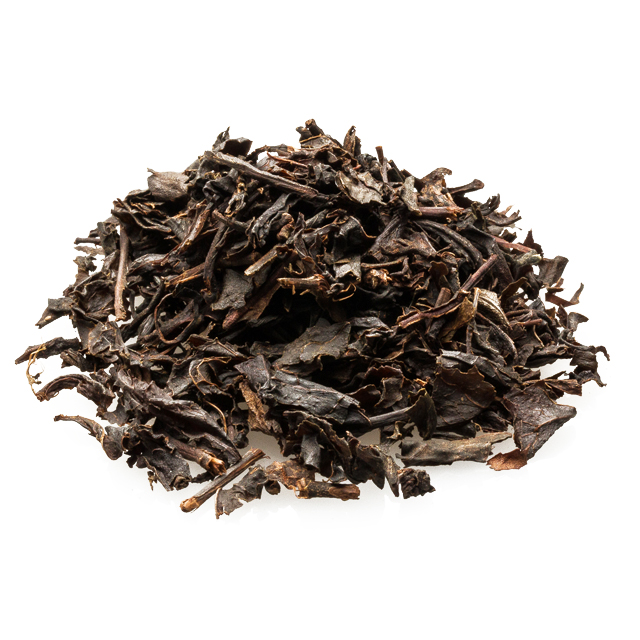
The leaves of a perennial evergreen plants, growing in areas with a humid tropical and subtropical climate are the raw material for manufacturing of tea. In nature, it is a shrub or tree from 3 to 17 meters high, but garden forms usually have modest size. The tea plant belongs to the Camelia genus (Camelia), in which there are two main varieties suitable for making tea - Chinese sinensis (Sinensis) and the larger Indian Assamica (Assamica). Raw materials collected from plants have reached 5-7 years of age. The tea leaf has an oval shape, jagged edges and a smooth surface. The lower part of the leaf is covered with a small fur of silvery-white color, which is called buy-hao in China. From there comes the name of loose beichao tea, which is widespread tea in Russia.
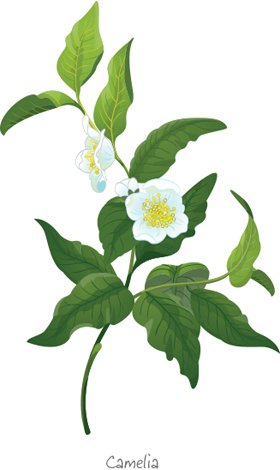
For the manufacture of this tea usually used young, soft and succulent leaves, located on the top of the scion. These vegetative scions, having several newly formed leaves and unblown leaf bud, densely covered with silver fur. Collections from the leaves and buds of such a shoot are called flash drives. The top leaf bud is called tips. The number of top leaves in the collection and the proportion of tips determine the quality of future tea.
Collection of tea is very laborious and time-consuming process. One kilogram of prepared raw material contains 5-10 thousand of tea leaves. For the most numbers of plantations, tea is harvested by hands. Only with hand harvesting, you can pick ripe flushes from the surface of the bush and from the thick of the crown, pick them at the necessary point of the stem and leave old or immature shoots. Tea harvesting machines are rarely used, because they do not allow separating the tender fraction from the rough, especially to meet the necessary varietal conditions. In addition, the mechanized method of harvesting is traumatic for the plant itself. When harvesting, it is necessary to leave enough leaves for the normal development of the tea bush, so that it would not weaken and would actively form new shoots for the next harvest.
Bulk tea
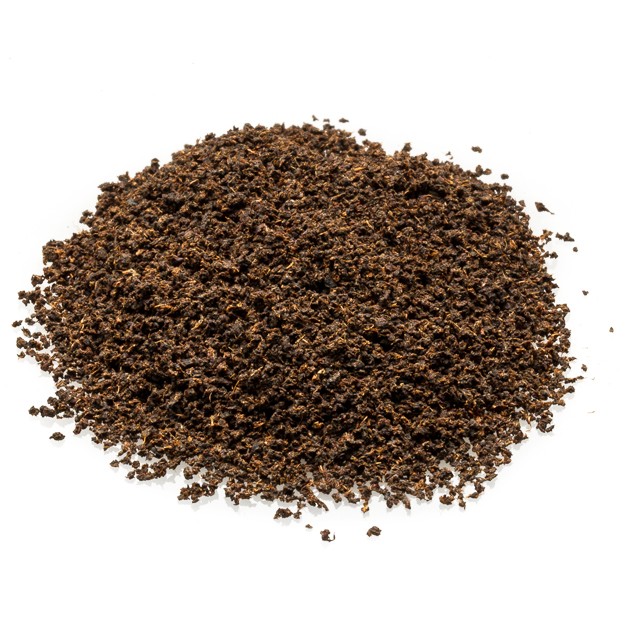
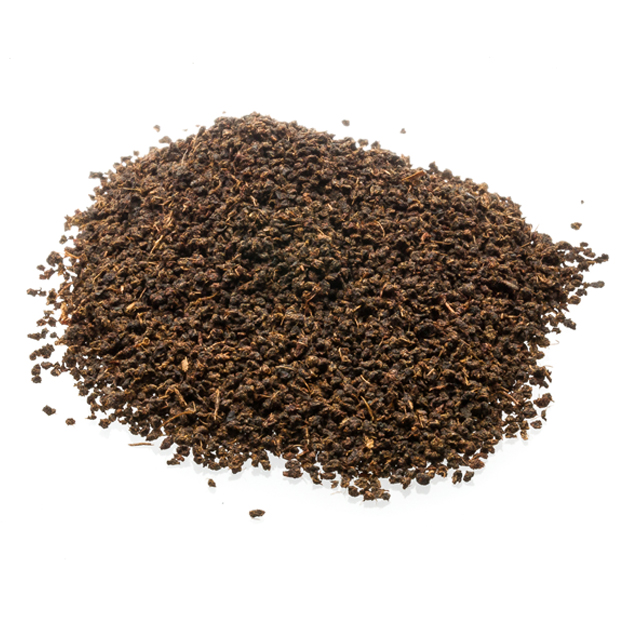
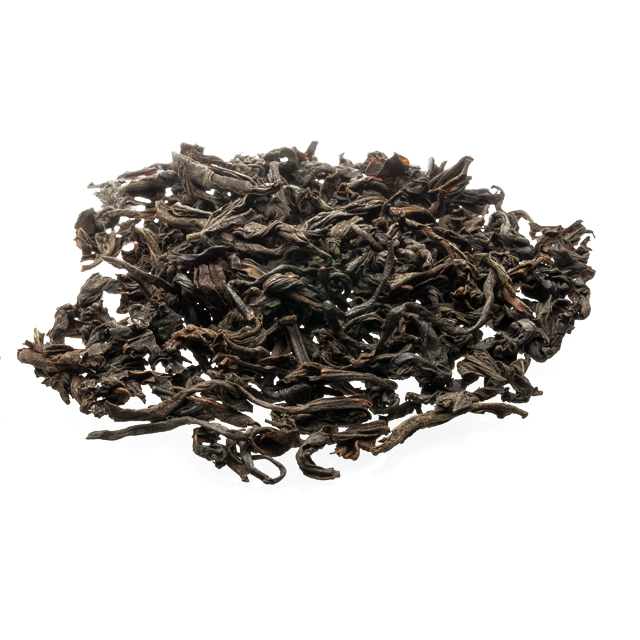
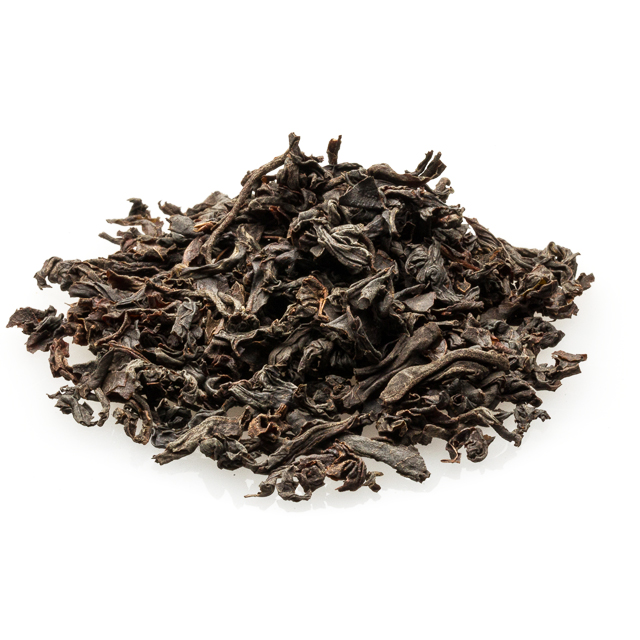
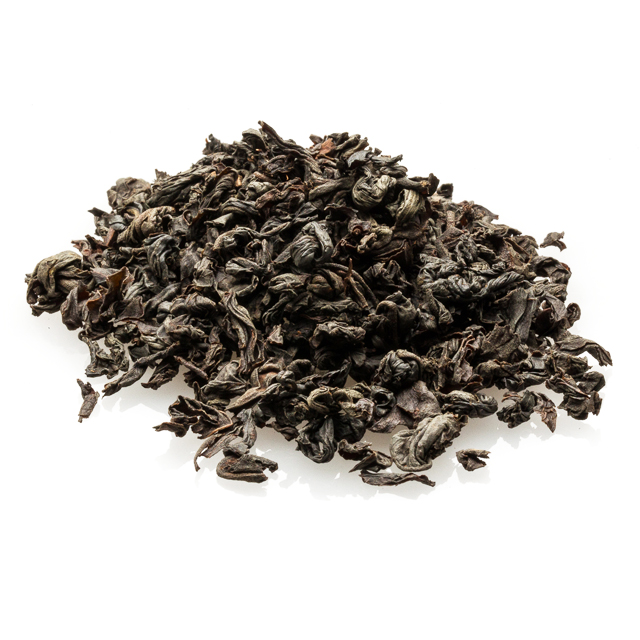
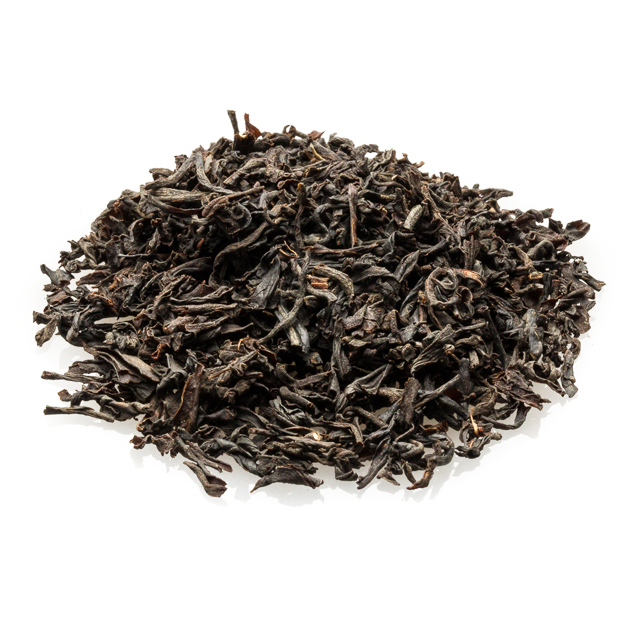
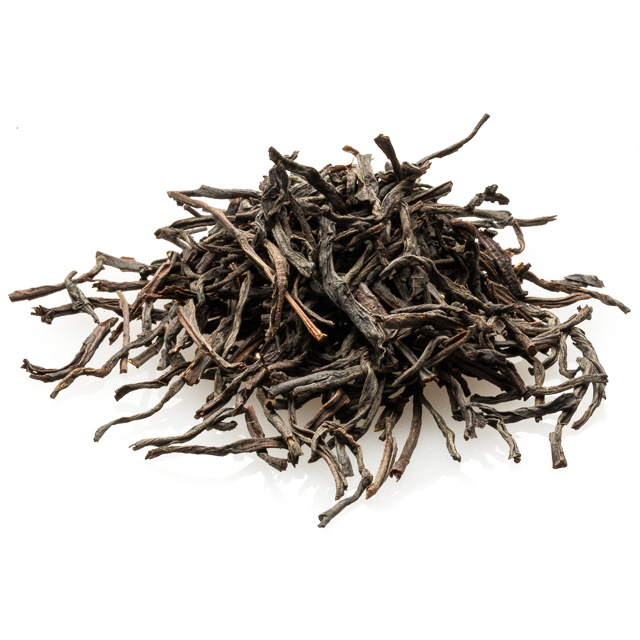
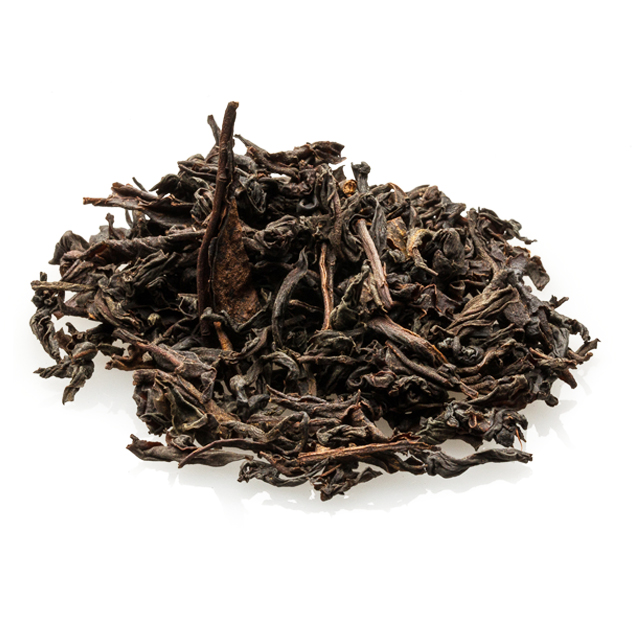
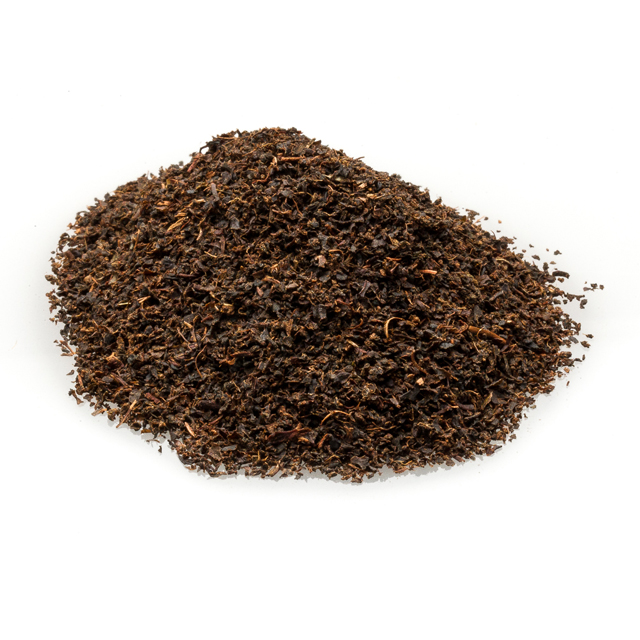
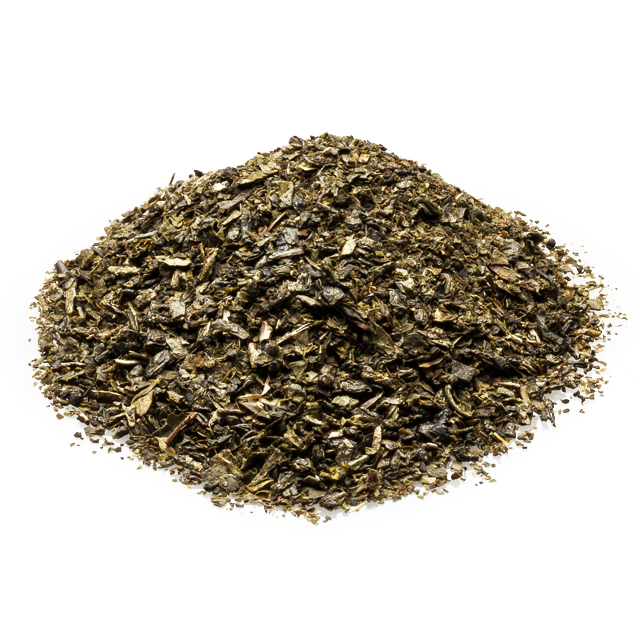
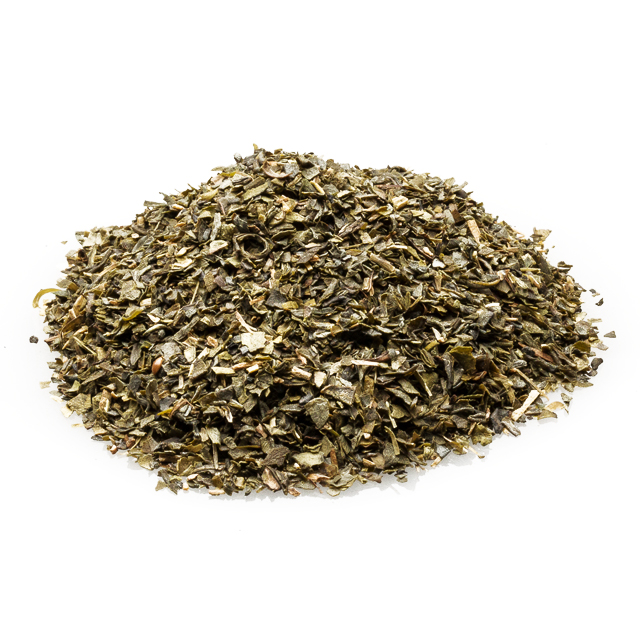
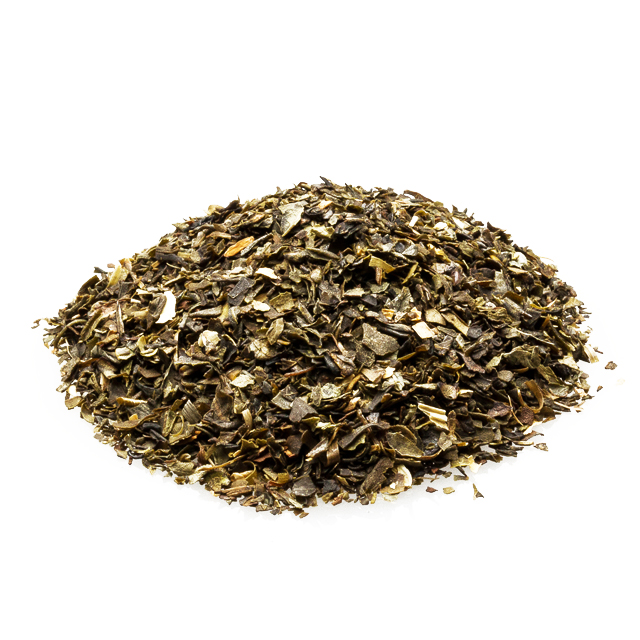
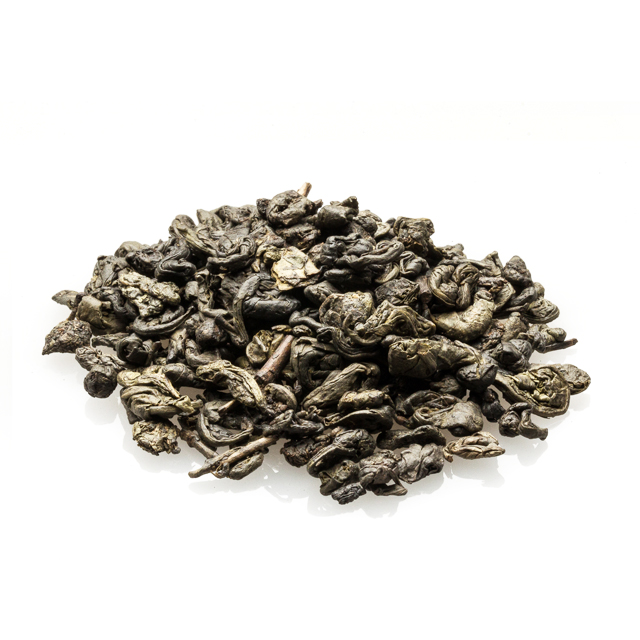
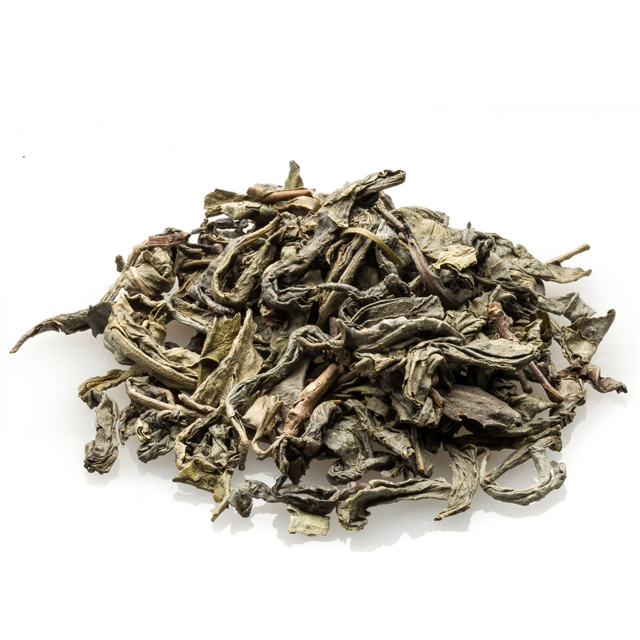
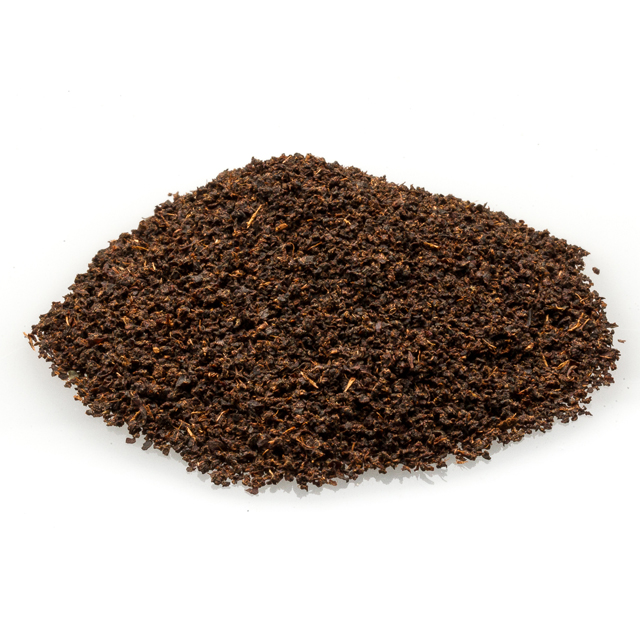
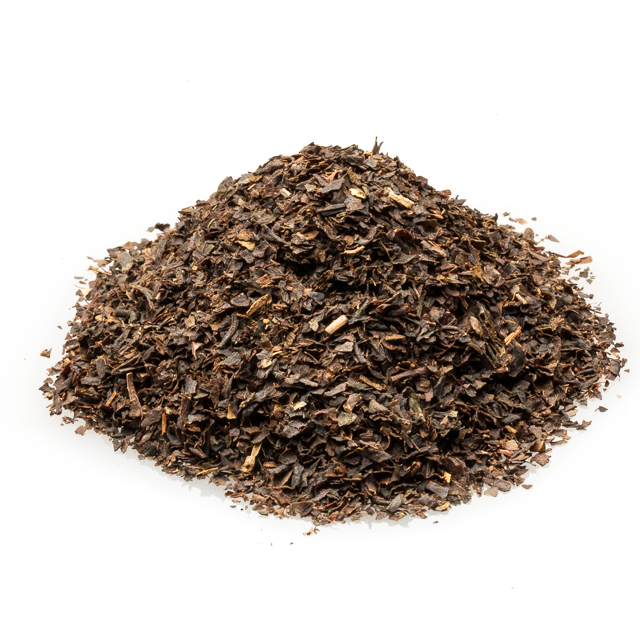
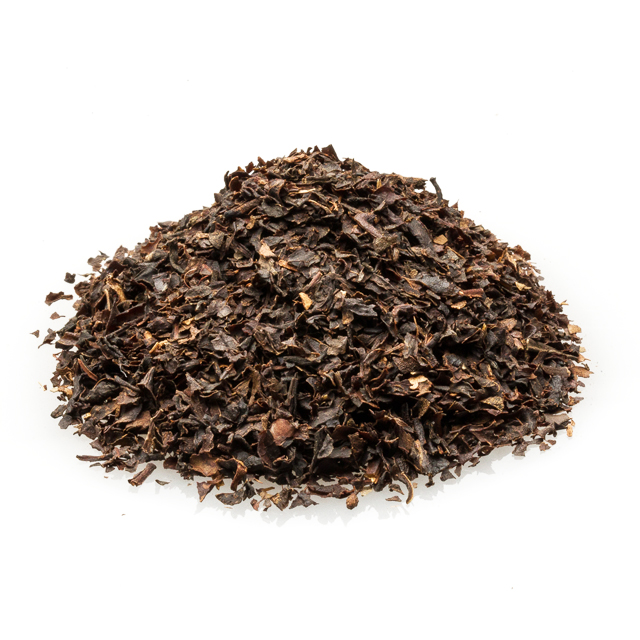
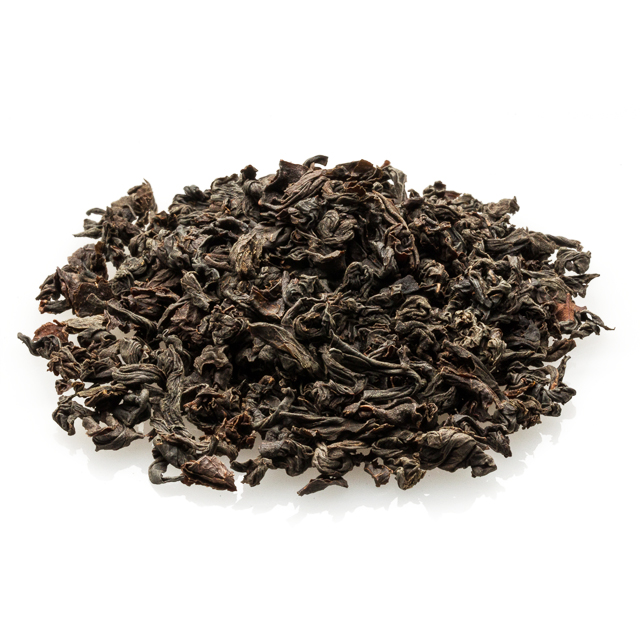
We offer you to get acquainted with our regular assortment of tea, which is always in demand in the Russian market
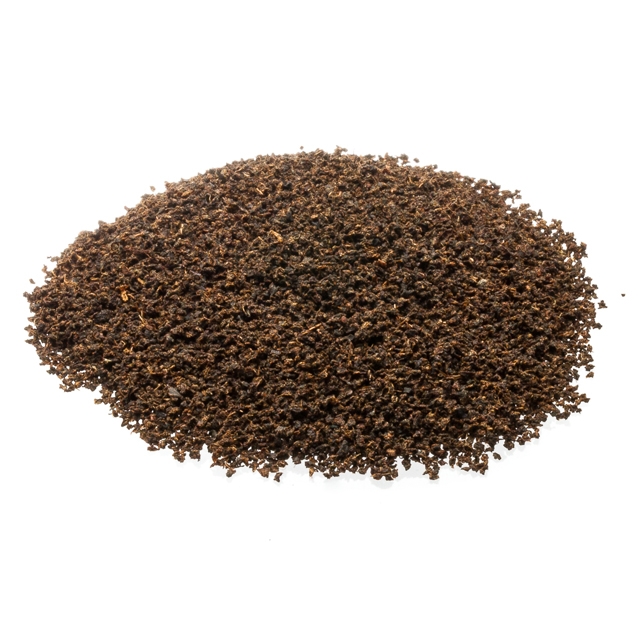
NORTH INDIA – STD 525 – PD
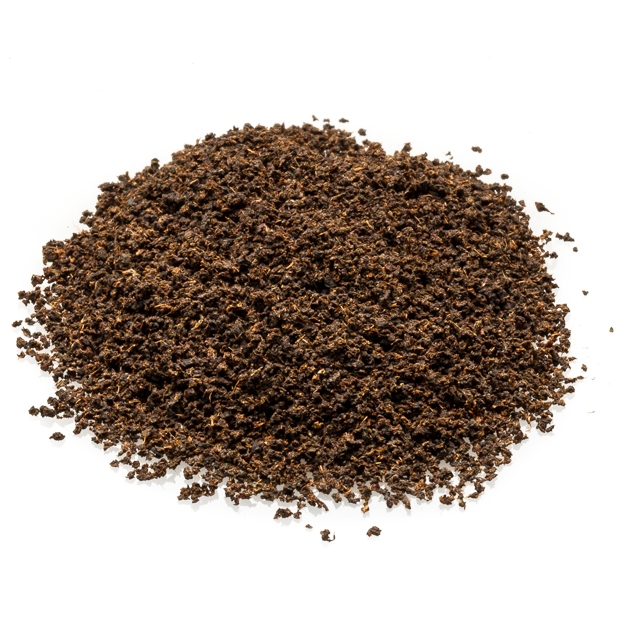
NORTH INDIA – STD 526 – PF
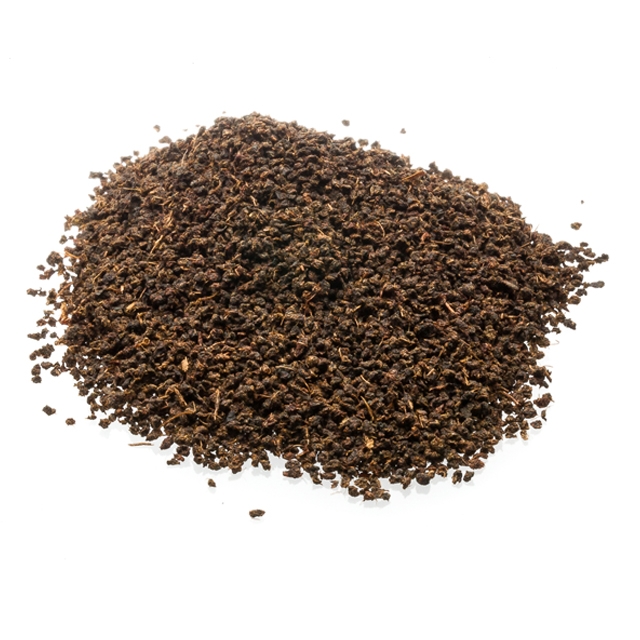
NORTH INDIA – STD 948 – PF1
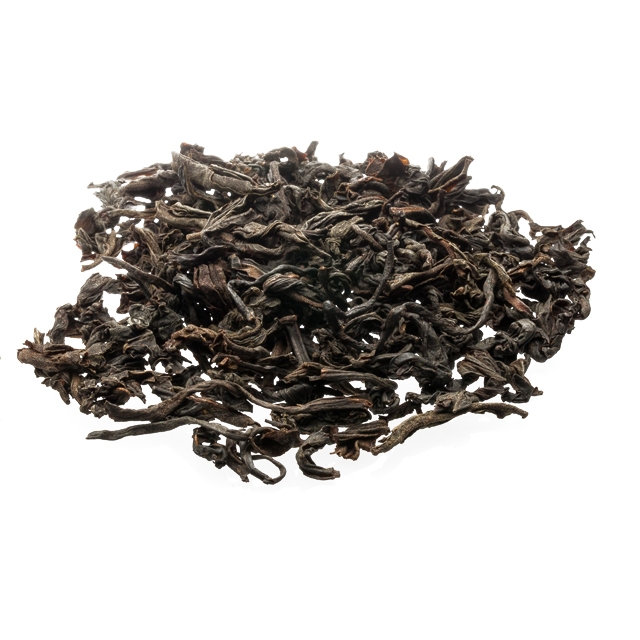
NORTH INDIA – STD 260 – OP
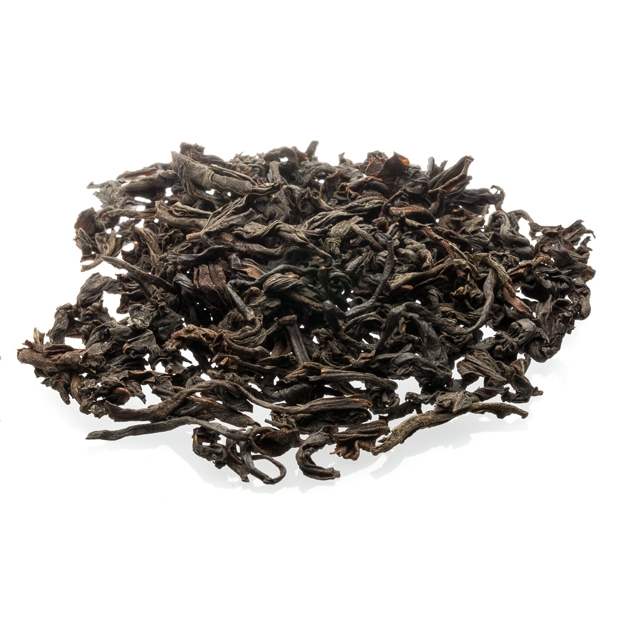
NORTH INDIA – STD 911 – STGFOP1 (DARJEELING)
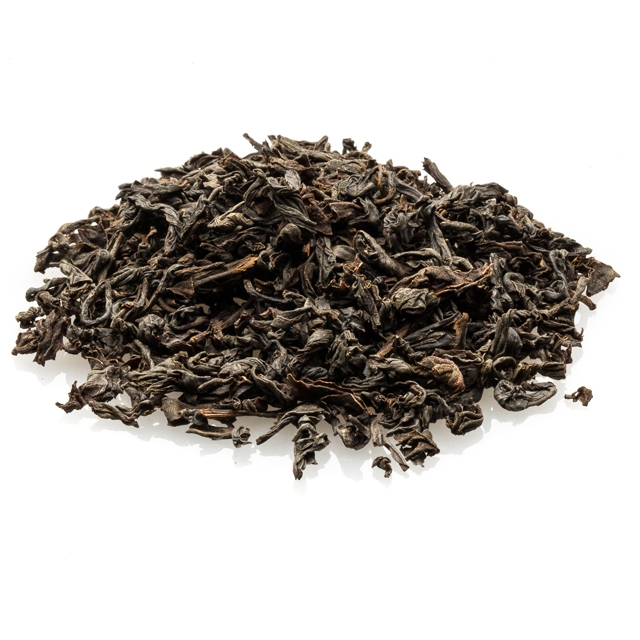
NORTH INDIA – STD 385 - OP
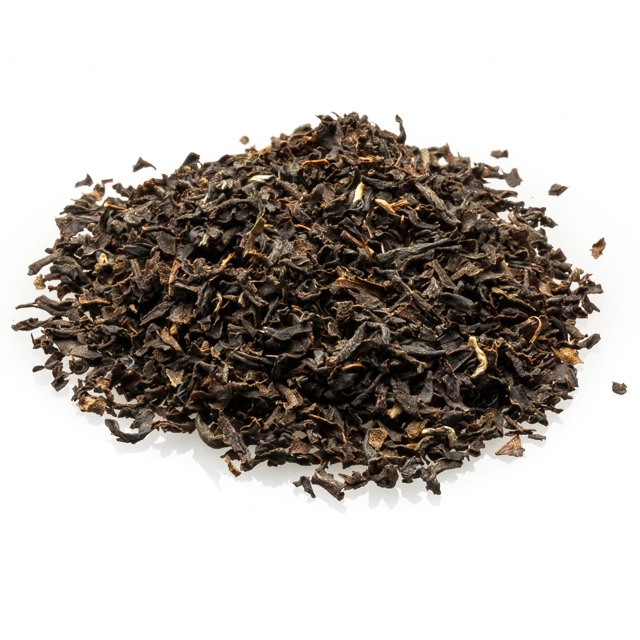
NORTH INDIA – STD 986 – GBOP
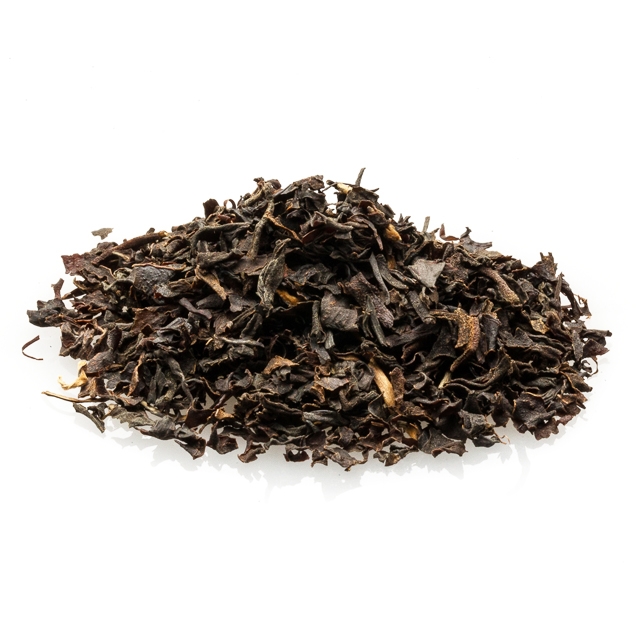
NORTH INDIA – STD 4236 - FBOP1
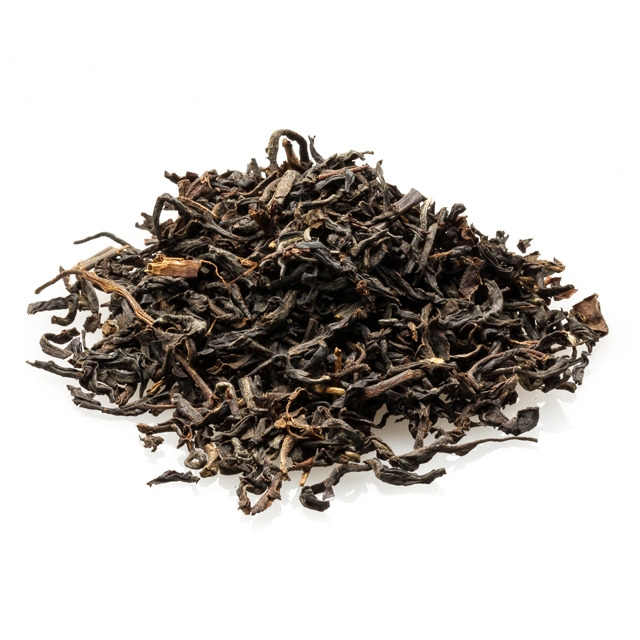
NORTH INDIA – STD 388 - TGFOP
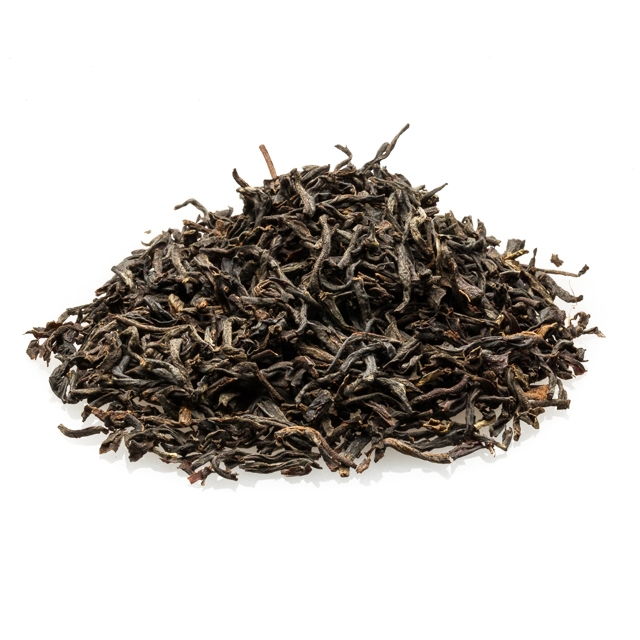
NORTH INDIA – STD 962C - TGFOP
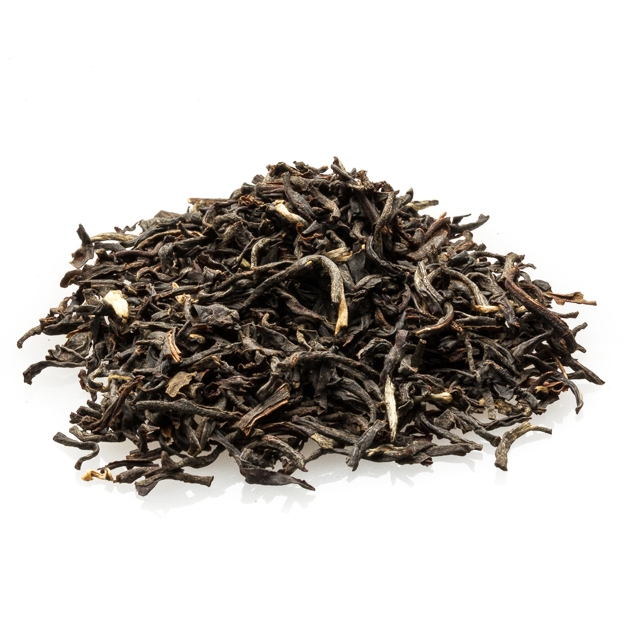
NORTH INDIA – STD 962B - TGFOP1
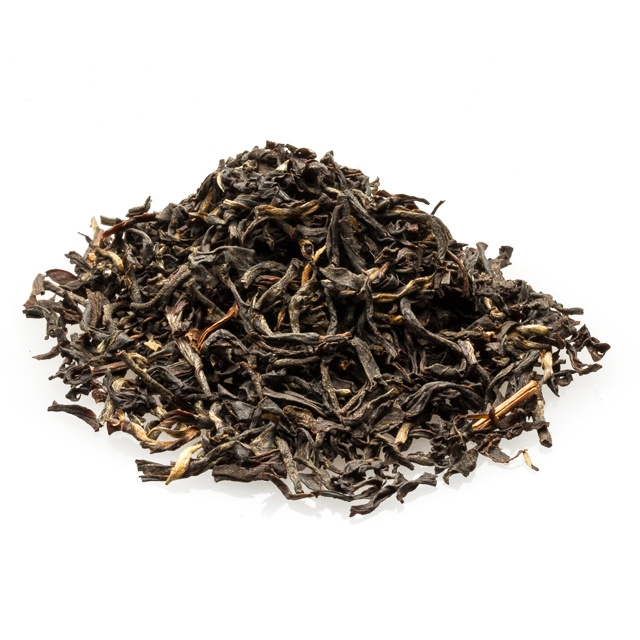
NORTH INDIA – STD 387 – STGFOP1
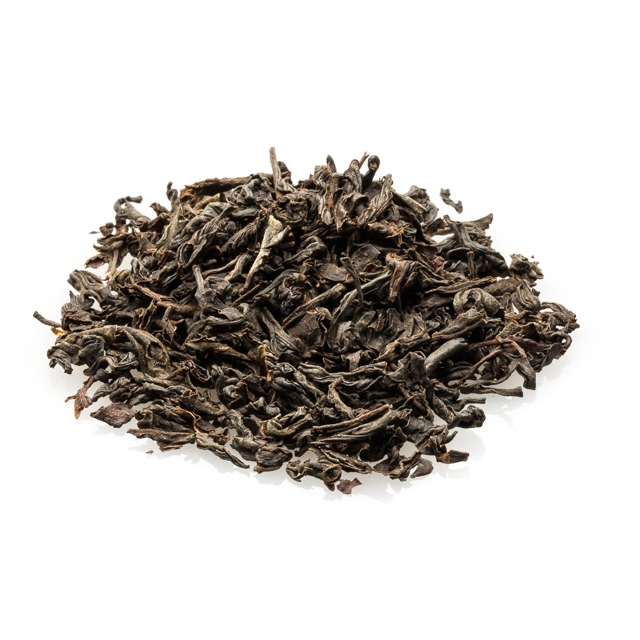
NORTH INDIA – STD 331 - OPA
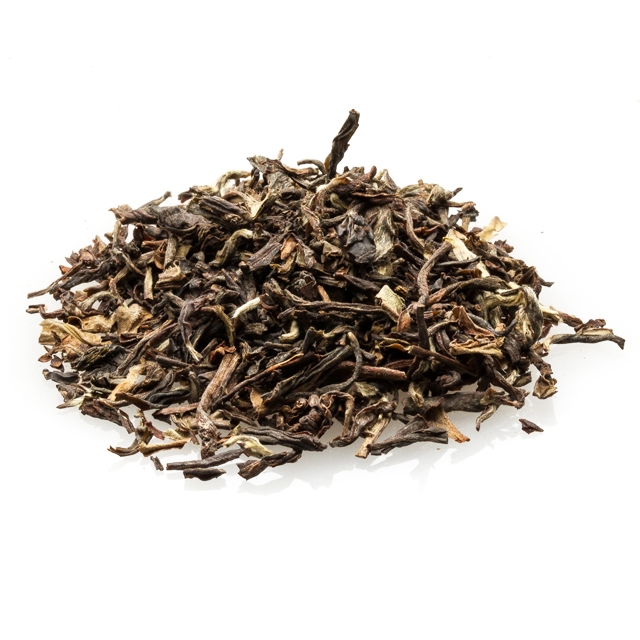
NORTH INDIA – STD 997 – GOF
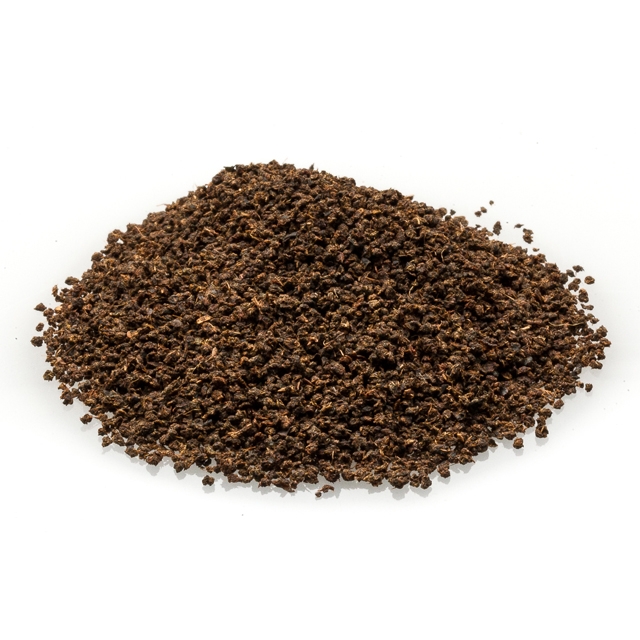
SOUTH INDIA – STD 551 – PF
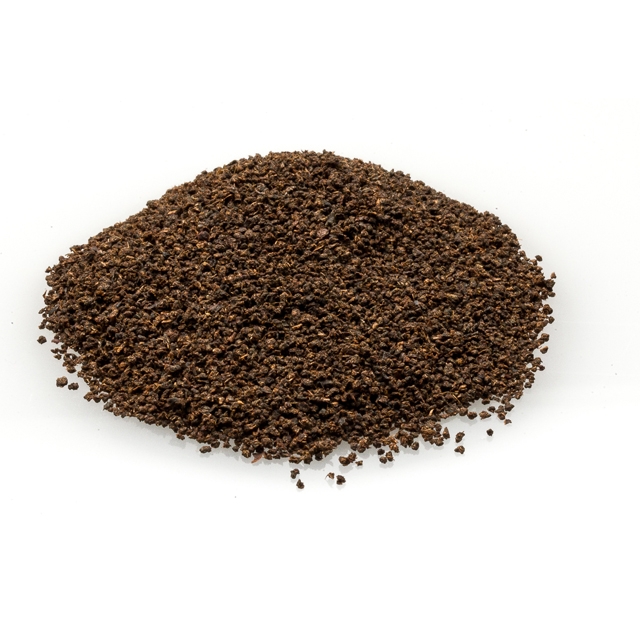
SOUTH INDIA – STD 983 - PD
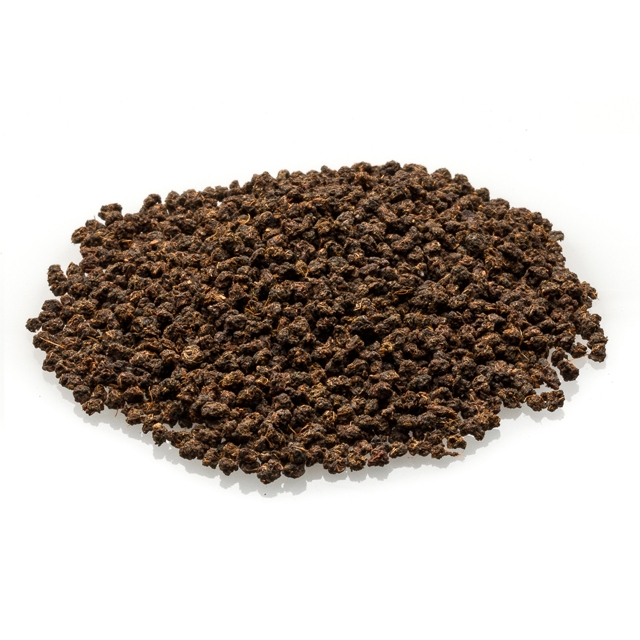
SOUTH INDIA – STD 495 – BOP
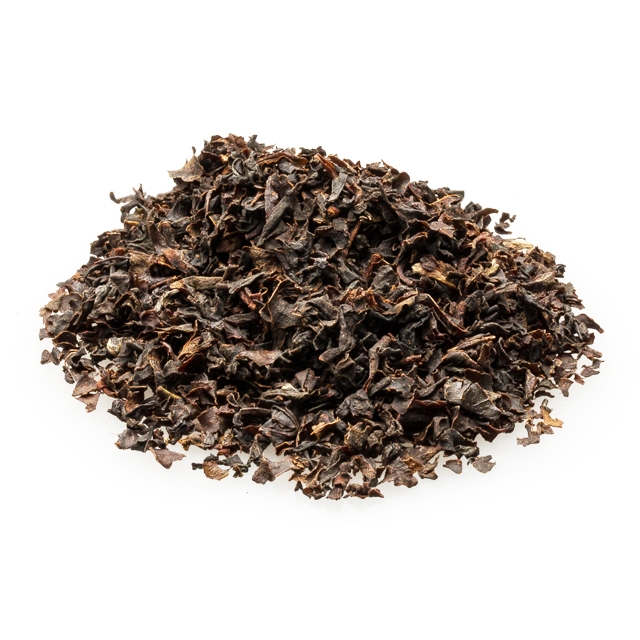
SOUTH INDIA – STD 3236 – FBOP
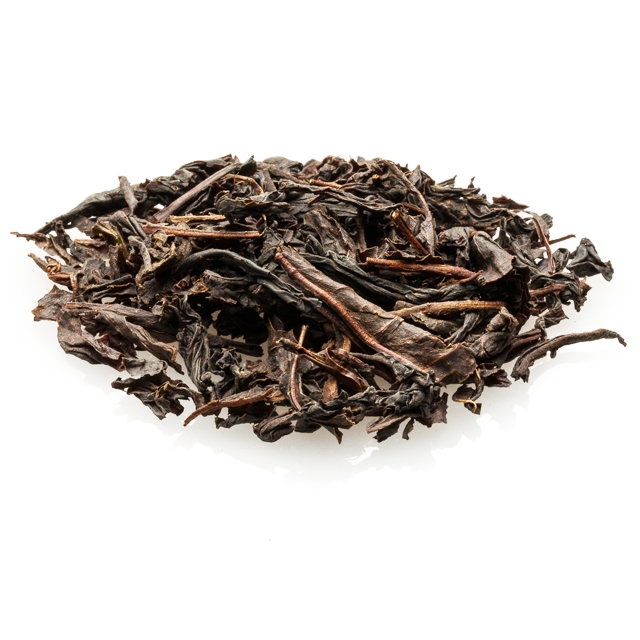
SOUTH INDIA – ЮЖНАЯ ИНДИЯ – STD 981 - OP
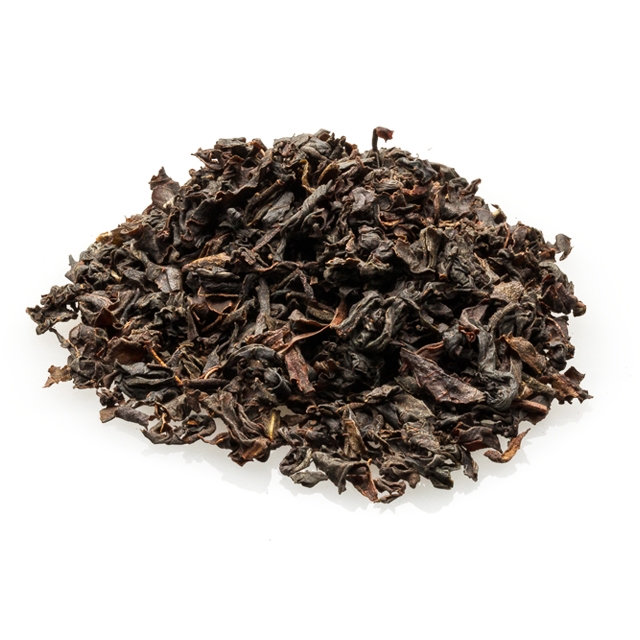
SOUTH INDIA – ЮЖНАЯ ИНДИЯ – STD 416 – FBOP
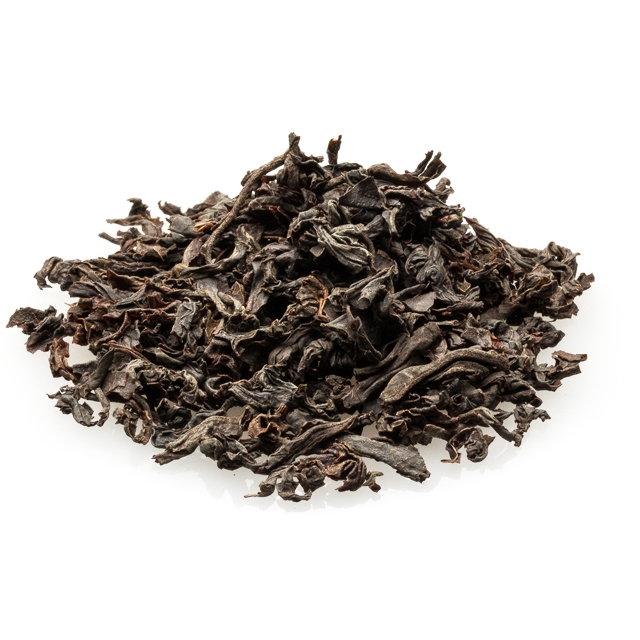
SOUTH INDIA – ЮЖНАЯ ИНДИЯ – STD 945 – FOP
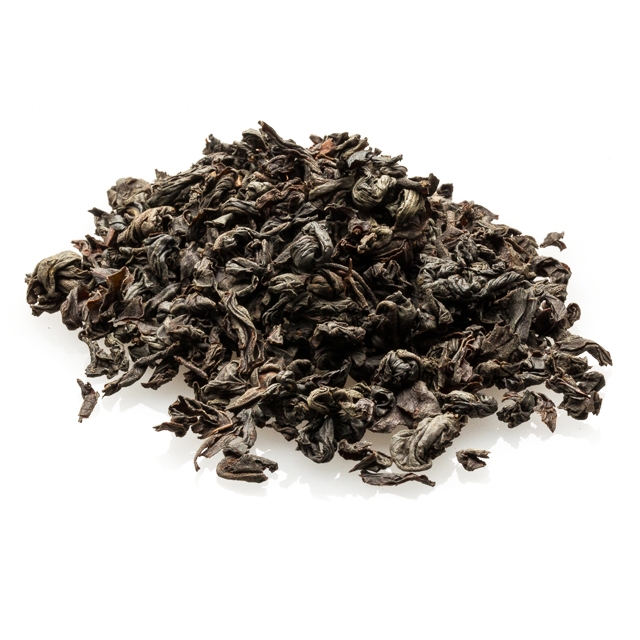
SRI LANKA – STD 4492A – PEKOE
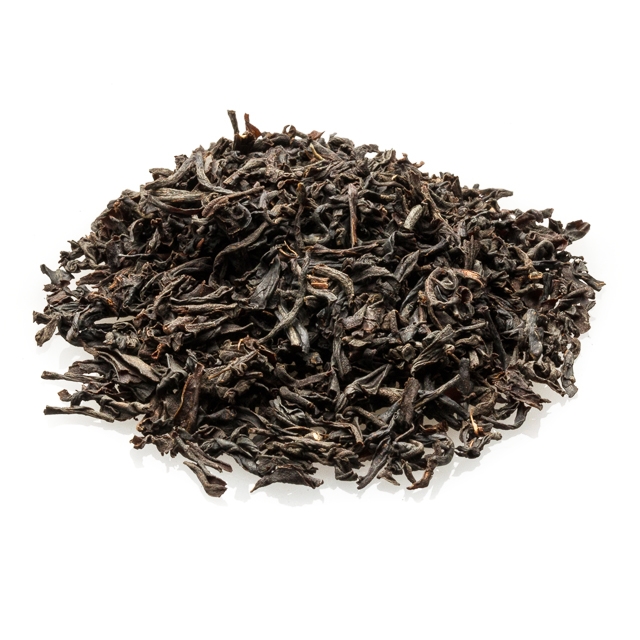
SRI LANKA – STD 7440 – FBOP
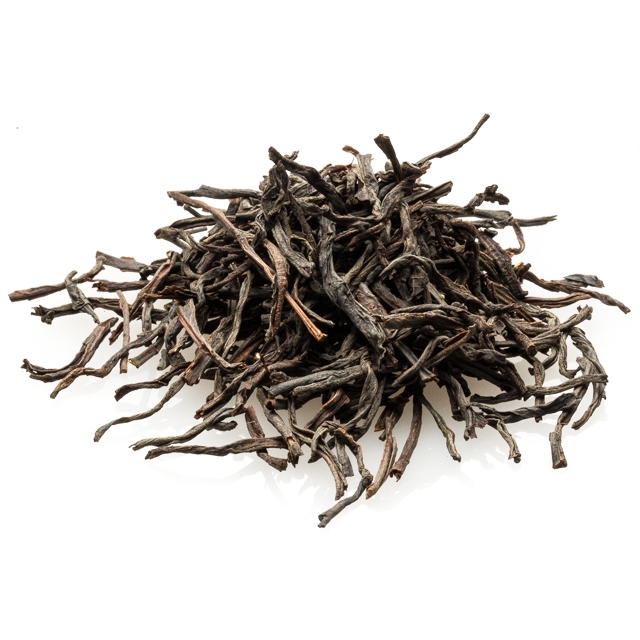
SRI LANKA – STD 5889 – OP1
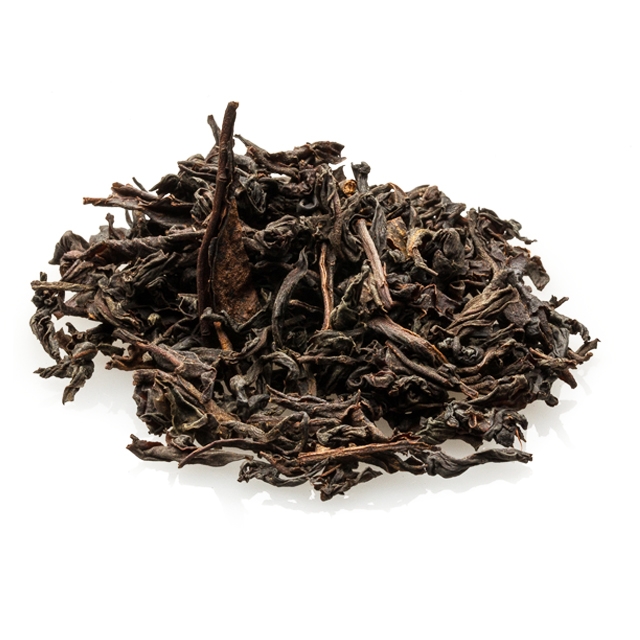
SRI LANKA – STD 1560 – OPA
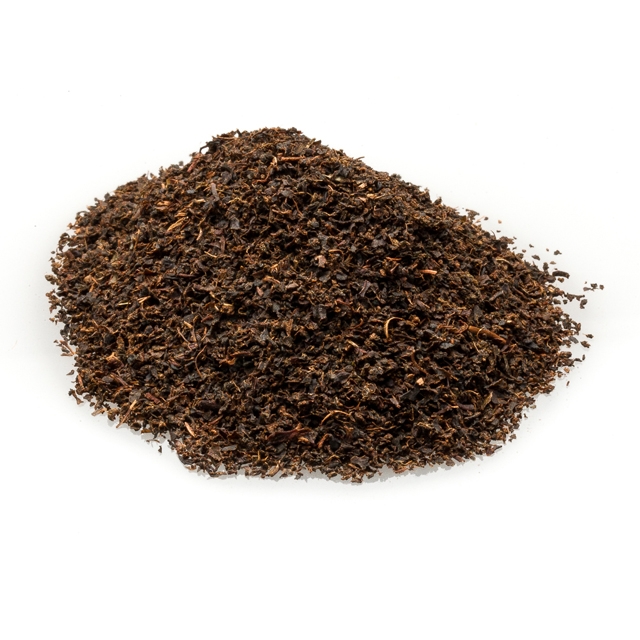
SRI LANKA – STD 4495 – PF
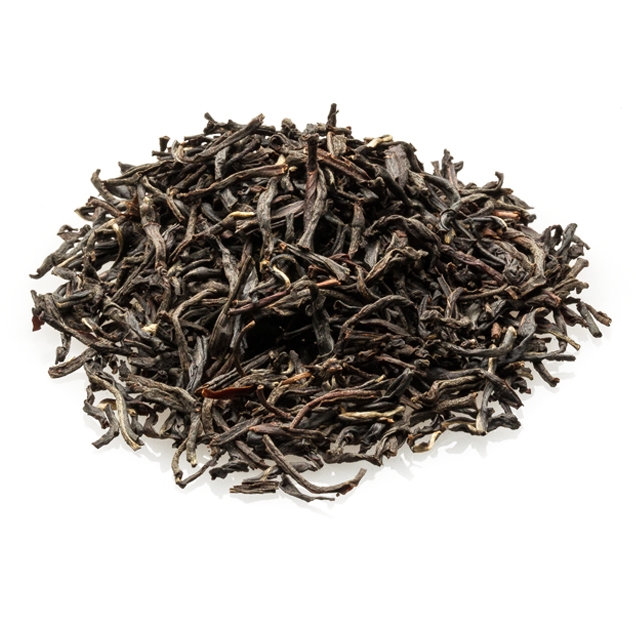
SRI LANKA – STD 4621 – FBOP SP EX
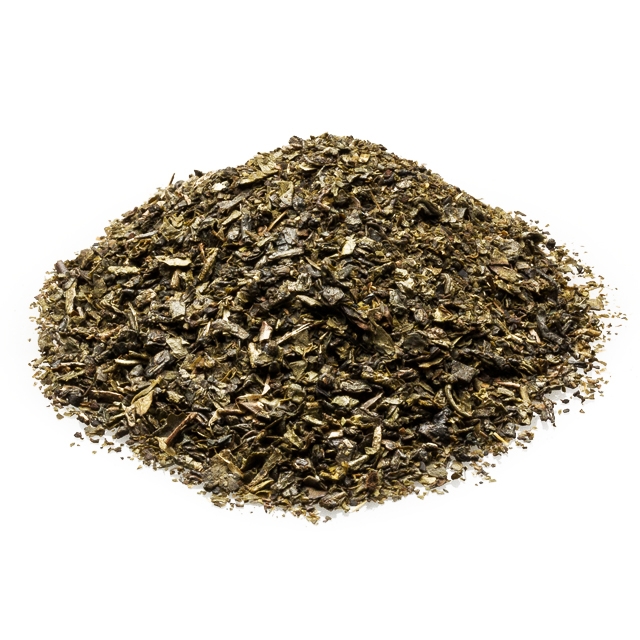
CHINA GREEN TEA – STD 5123 – GF
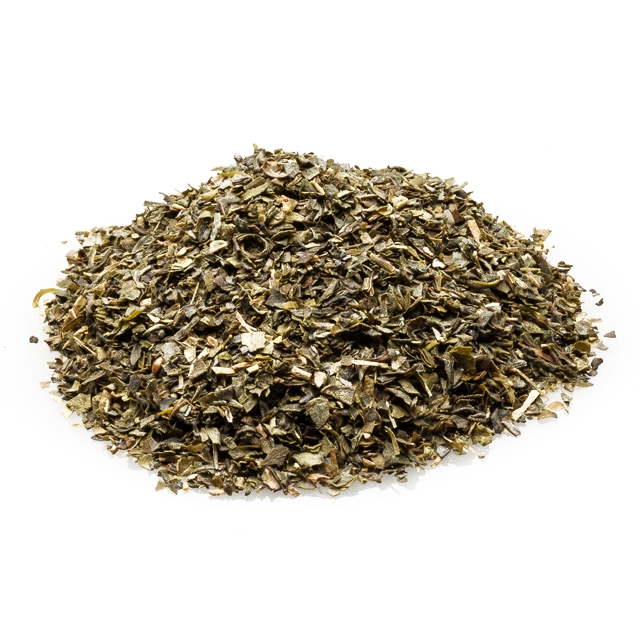
CHINA GREEN TEA – STD 5124 – PF
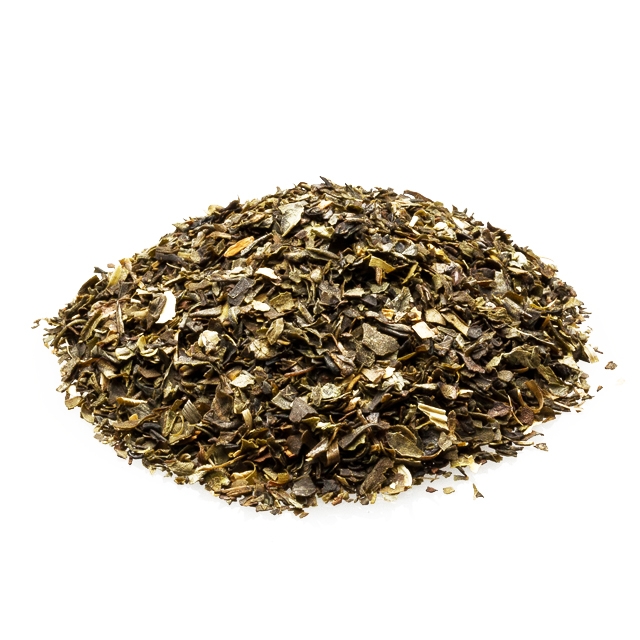
CHINA GREEN TEA – STD DJF73001 – PF with JASMINE
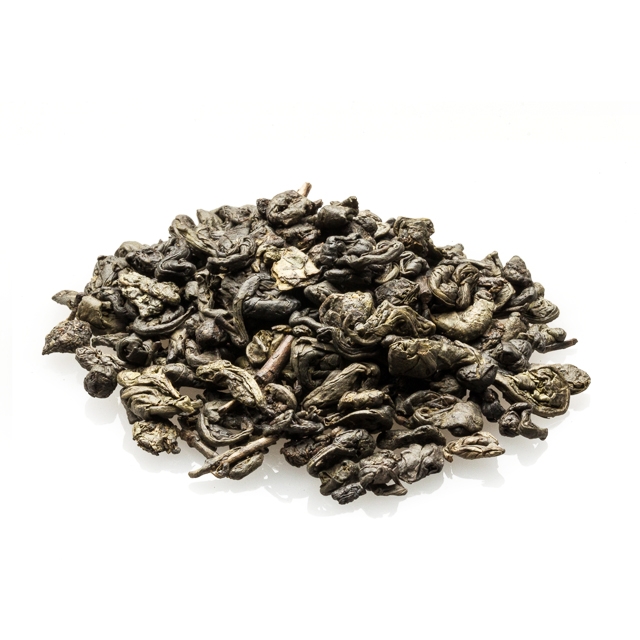
CHINA GREEN TEA – STD 3505 (GUNPOWDER) – OP
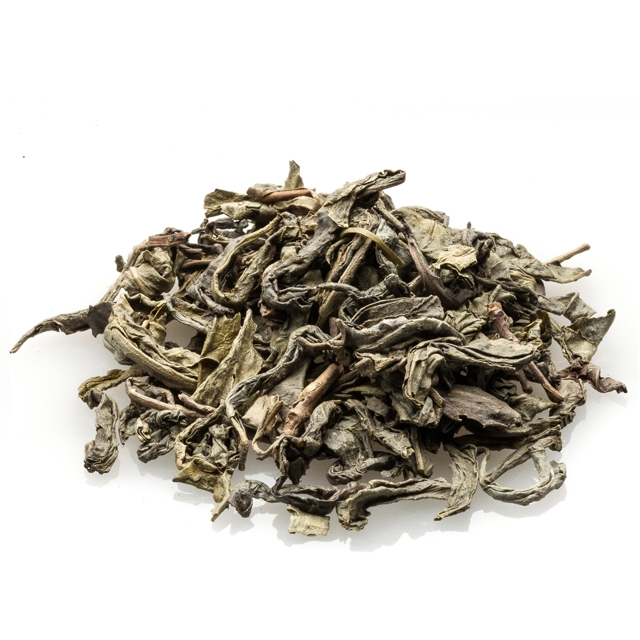
CHINA GREEN TEA – STD 9510 – OP
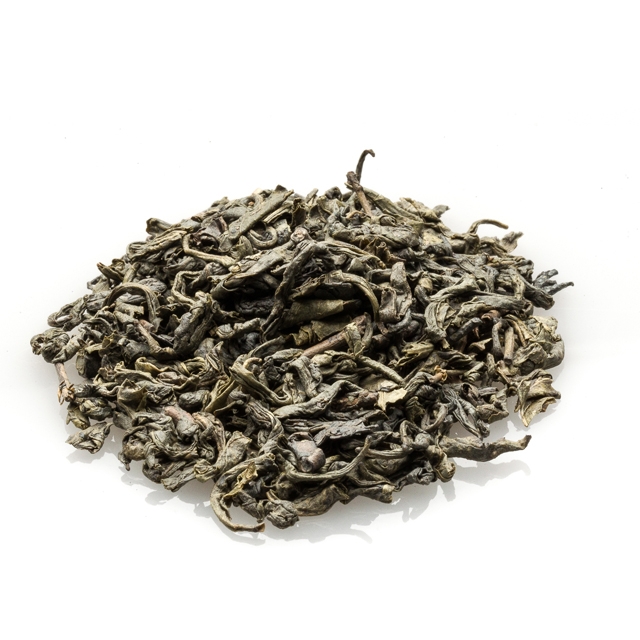
CHINA GREEN TEA – STD 9708 – OP
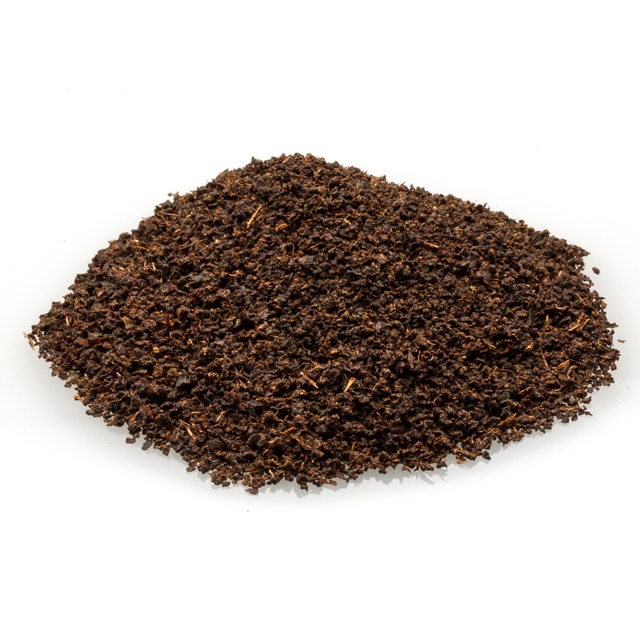
KENYA – STD 273 – PF1
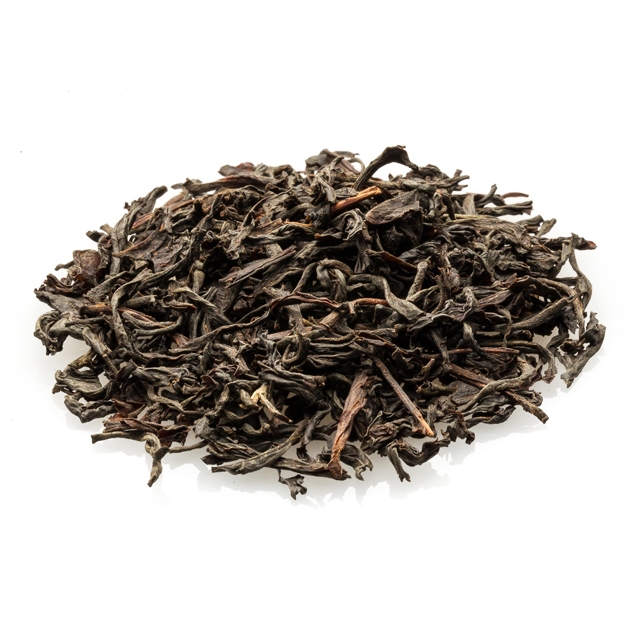
KENYA – STD KANGAITA – FOP
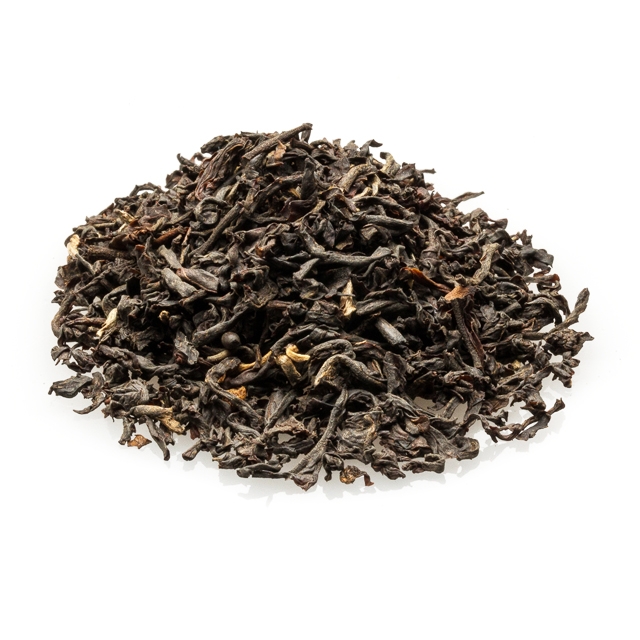
KENYA – STD KANGAITA – PEKOE
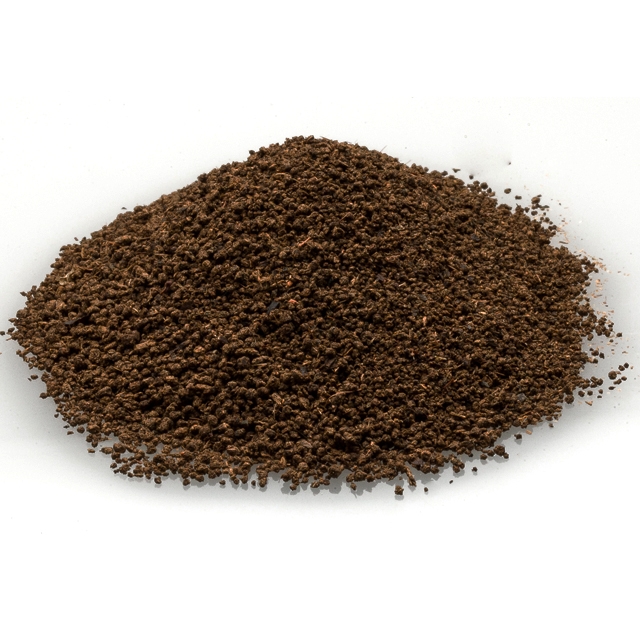
VIETNAM – СТС PF
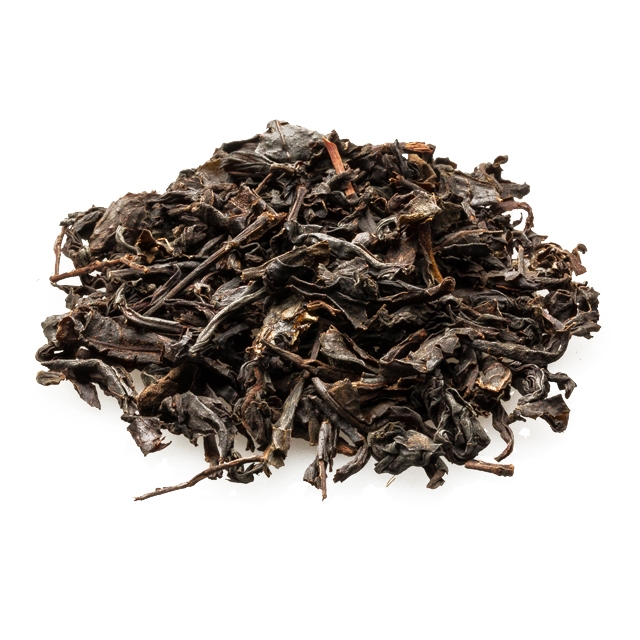
VIETNAM – STD 260 – OPA
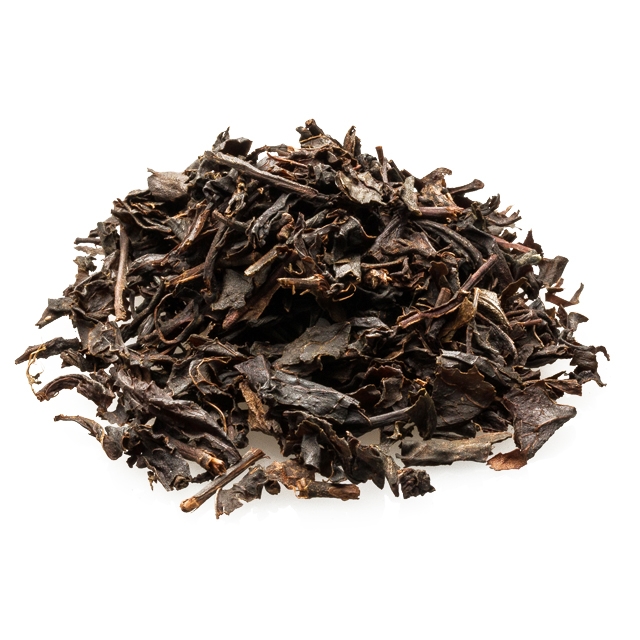
VIETNAM – STD 170 - OPА
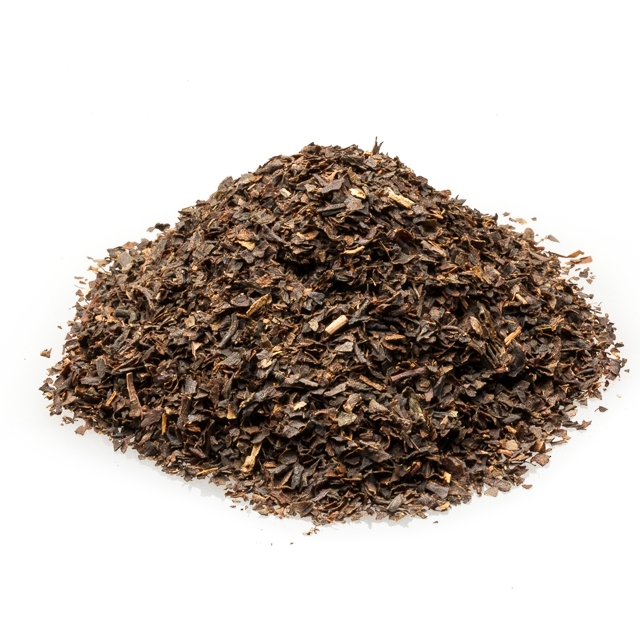
VIETNAM– STD BPS
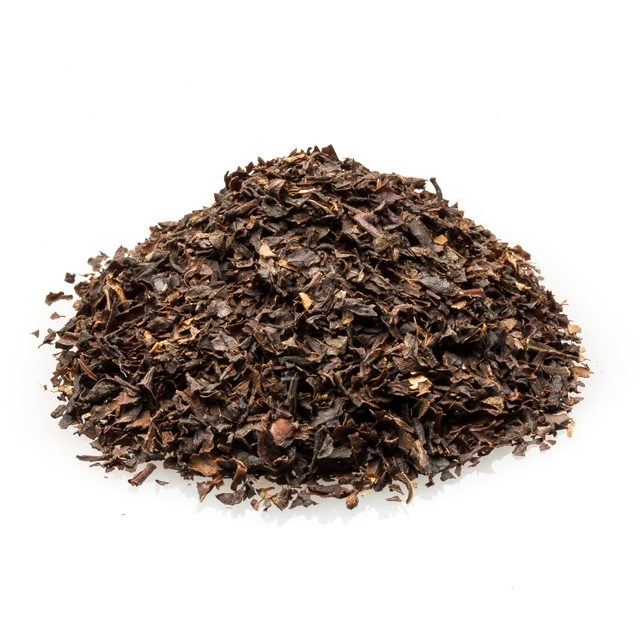
VIETNAM – STD PS
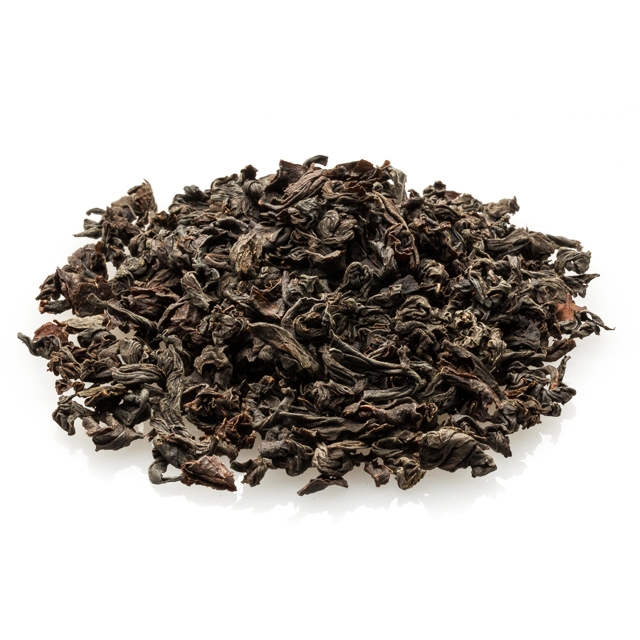
VIETNAM – STD 8648 - PEKOE
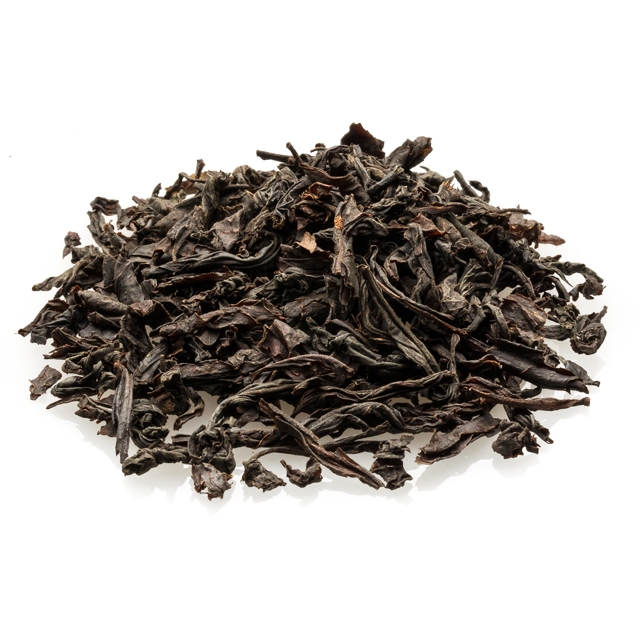
NEPAL – CEYLON TECHNOLOGY - STD OPA
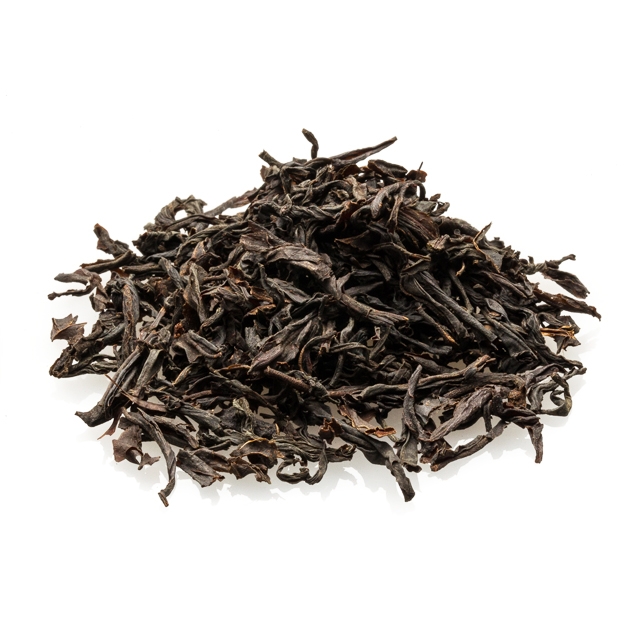
NEPAL – CEYLON TECHNOLOGY - STD OP